


Water Conservation
The decades-long megadrought impacting Colorado and Arizona has had a devastating impact on local waterways, depleting local reservoirs and reducing water supplies to critical levels. Many cities are under mandatory water restrictions, limiting activities such as lawn irrigation, pool filling, and at-home car washing.
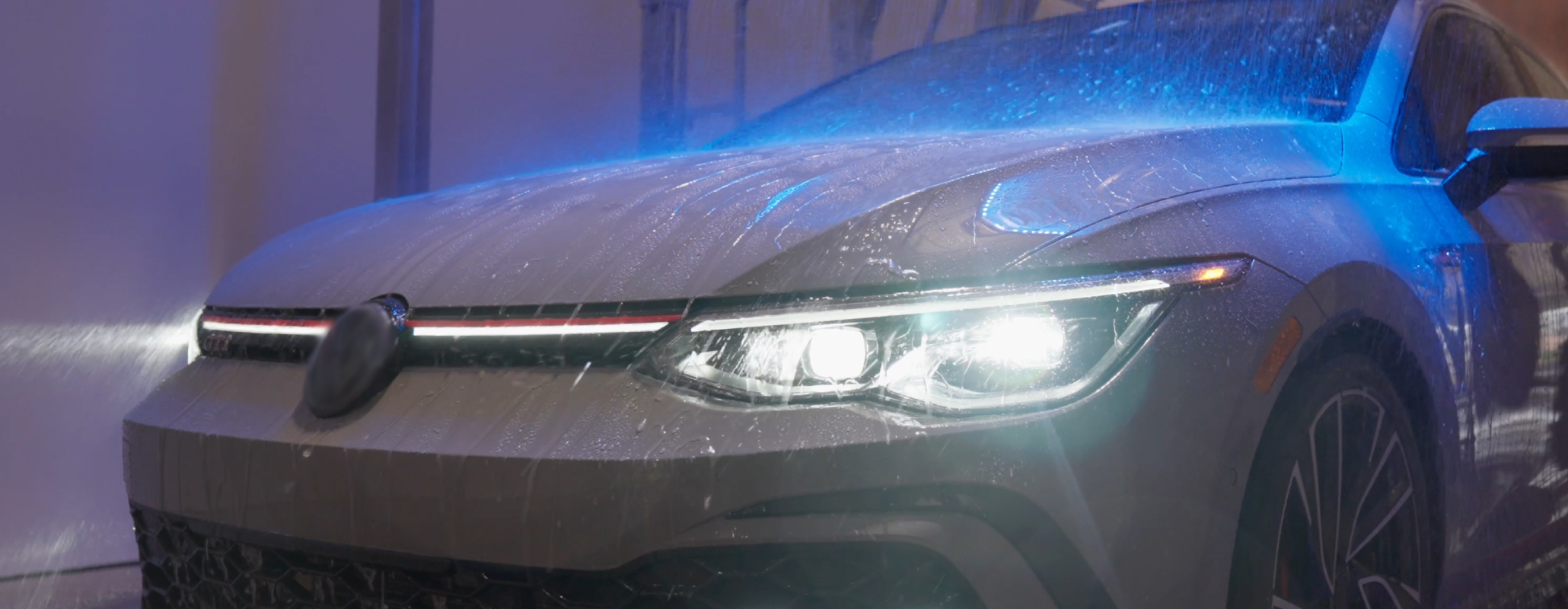
If you’re interested in car wash water conservation, it may surprise you to know that professional services offer a much more environmentally friendly car wash than driveway washes. Here’s why using a professional car wash is better for the environment.
Washing your car at home is convenient, but costly in terms of water and the time it takes to do it on your own. The average driveway wash uses up to 140 gallons of water, according to the Western Carwash Association. Runoff contains detergents, oils, road grime, and heavy metals, all of which flow into storm drains and can harm sensitive ecosystems such as Colorado’s riverways and Arizona’s deserts.
How Professional Car Washes Handle Water Differently
Professional car washes handle water efficiently, reclaim water rather than letting it drain away, and direct wastewater to treatment facilities rather than storm drains. A professional car wash has several vital features, including:
Water Reclamation Systems
Car wash water conservation starts with an efficient water reclamation system. Instead of letting water drain away, a professional car wash captures and treats used water, recycling it for multiple wash cycles. Here’s how the process works:
- Wash water drains from wash tunnels into underground tanks.
- Heavier solids, such as dirt and mud, settle to the bottom of the tank, while chemical separators remove oils, detergents, and grease.
- Water is filtered and treated before being reused.
By reclaiming water, professional car washes save up to 65% of the water used. Reclaimed water is used for pre-soaking and the initial wash cycle, with fresh water from reverse osmosis systems used for a spot-free final wash.
Proper Wastewater Disposal
Not all wastewater is reclaimable. Car washes redirect unusable wastewater to municipal treatment plants, where solids and pollutants are removed in compliance with environmental regulations.
Using Less Water Per Wash
Instead of the high volume of water used for driveway car washes, professional services use high-pressure, low-volume nozzles to remove grime and dirt, a process that, when combined with reclaimed water, uses only 9 to 15 gallons of fresh water per vehicle.
Local Waterways Worth Protecting in Colorado and Arizona
Car wash water conservation has a positive impact on some of Colorado and Arizona’s most important rivers, watersheds, and conservation areas. These waterways are vital and well worth protecting:
- The Upper Verde River is one of Arizona’s last free-flowing rivers and supports a thriving biodiversity of birds, fish, and mammals.
- The Colorado River provides water for over 40 million people. Demand for river water, coupled with the long-term drought, puts significant pressure on the river system.
- The Santa Cruz River is one of the most at-risk rivers in the USA. Advocates hope to have it designated as an urban wildlife refuge.
- The San Pedro River in Southwest Arizona acts as a crucial habitat for both migratory birds and local wildlife.
- Colorado’s Crystal River may soon earn a “Wild and Scenic” designation to protect it from development.
- The Dolores is a tributary of the Colorado River and needs protection to maintain water quality for agricultural communities and wildlife.
- The Upper Rio Grande Corridor stretches from central Colorado to the Texas/Mexico border and is under threat from development and habitat fragmentation.
- The Cache la Poudre River is protected under a Wild and Scenic management plan.
Wash Smart, Wash Local
Even small lifestyle changes can help support your local waterways. Car wash water conservation per wash may not seem substantial, but the cumulative impact of environmentally friendly car washes is significant. Choosing a professional car wash is the best choice for you, your car, and the planet.
Find your nearest Cobblestone location and take advantage of our eco-friendly express and full-service options.